Ballad of the
Usha Seejarim ®
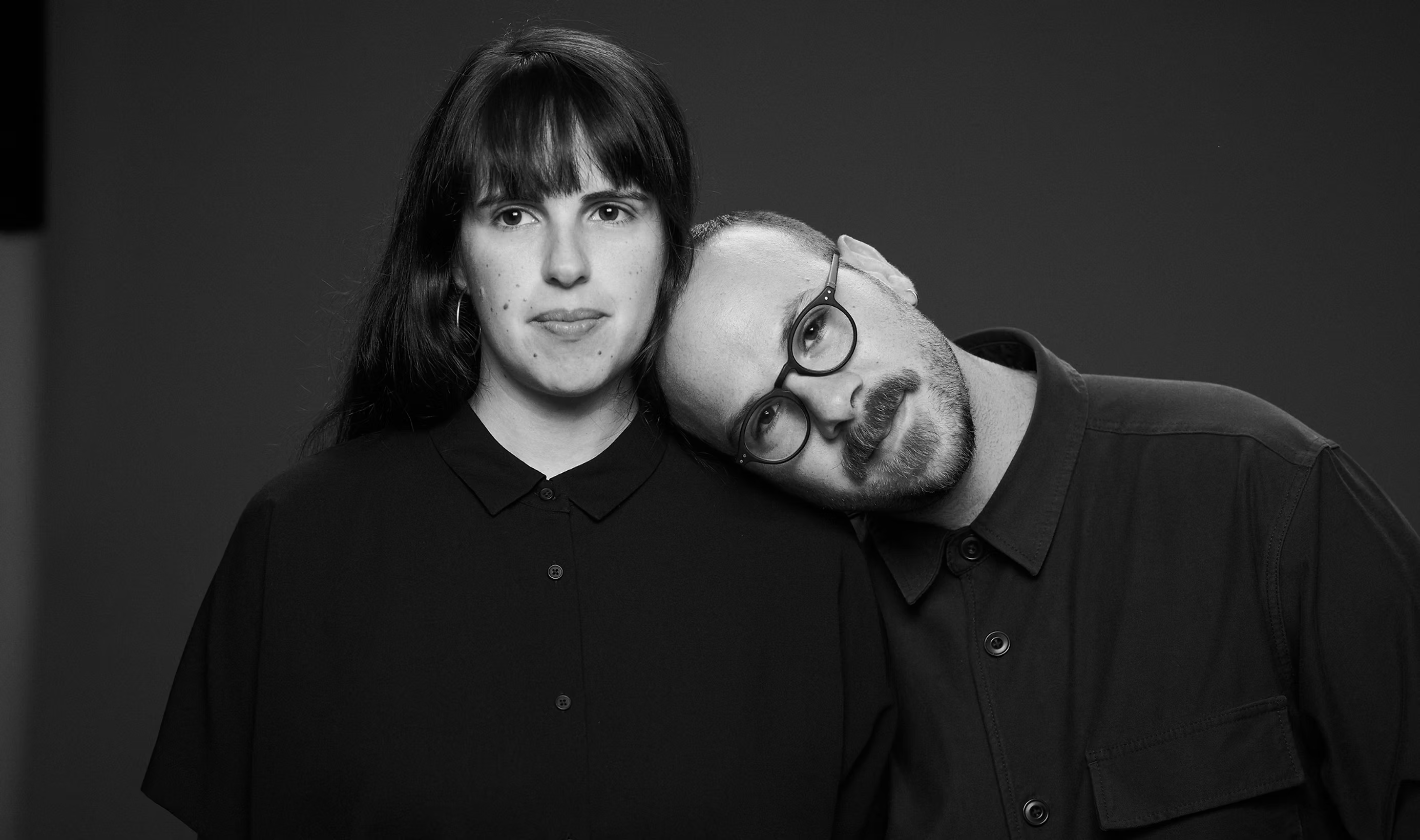
Who Am I, And What Is My Approach
I design from ecological psychology, not the cognitive tradition my field inherited. That's a minority position and I'll defend it.The cognitive account puts the answer inside the user's head — build the mental model, reduce load, optimise the flow. The numbers move, everyone signs off, and the product still doesn't matter to the person using it. Nobody has ever felt understood by a shorter click path.Gibson's account runs the other way: what a thing offers a person exists in the world, not in the mind.
Making
In practice, I watch. The first ten minutes of a session and the last ten. The moment someone closes the laptop — what they were doing when they gave up, and where they went next. Every point where they leave the tool: the export to a spreadsheet, the screenshot pasted into a chat, the second monitor where the real workflow lives. The features nobody mentions and nobody opens. And above all, workarounds — the strongest signal there is, because someone paid a real cost to build one.
Background
My first training was in the gap between the world and what a person picks up from it. Then the same question at a larger scale why people stay in one square and hurry through another which took me to urban design at Bezalel, and to a thesis on experience in physical space. That's how I found out UX existed. I arrived and found a field built on the opposite premise from everything I'd learned. I've disagreed with it ever since, and it's the most useful thing I bring.